+90 216 446 34 90info@navalcon.comMon – Fri 08:00 – 19:00

Home  /  Services  /  Sheet Piling

Sheet Piling

Steel sheet pile walls for safe excavations and durable retaining structures.

Service

What is sheet piling?

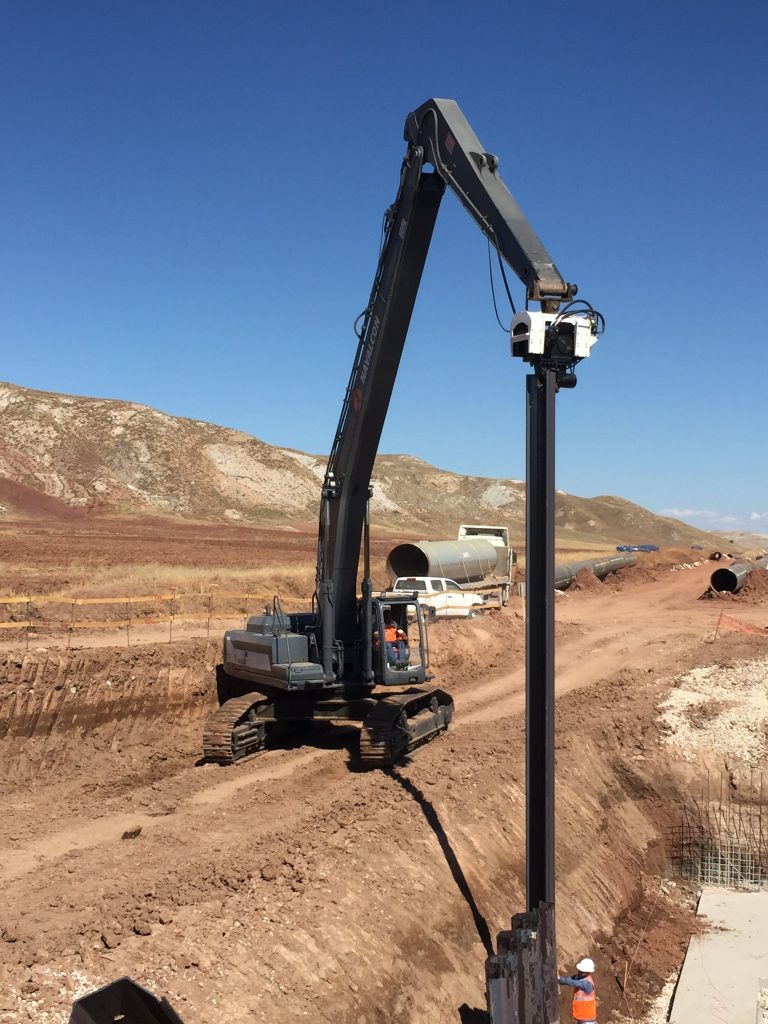
Sheet piles are specially formed steel profiles. Driven into the ground side by side and interlocked by hydraulic hammers, they form sheet pile walls. Their most common purpose is to prevent possible collapse and provide a safe excavation area.

Applications can be permanent or temporary. In permanent works the profiles stay in the ground as retaining structures; in temporary works they are extracted with hydraulic vibratory drivers (vibrodrivers) and reused.

Profiles are produced by hot rolling or cold forming. Hot-rolled profiles provide tighter interlocks, lower permeability and a wider strength range — although tight interlocks are not always preferred. Choosing the right profile and equipment for the soil, embedment depth and pressures is essential, and requires real expertise and experience.

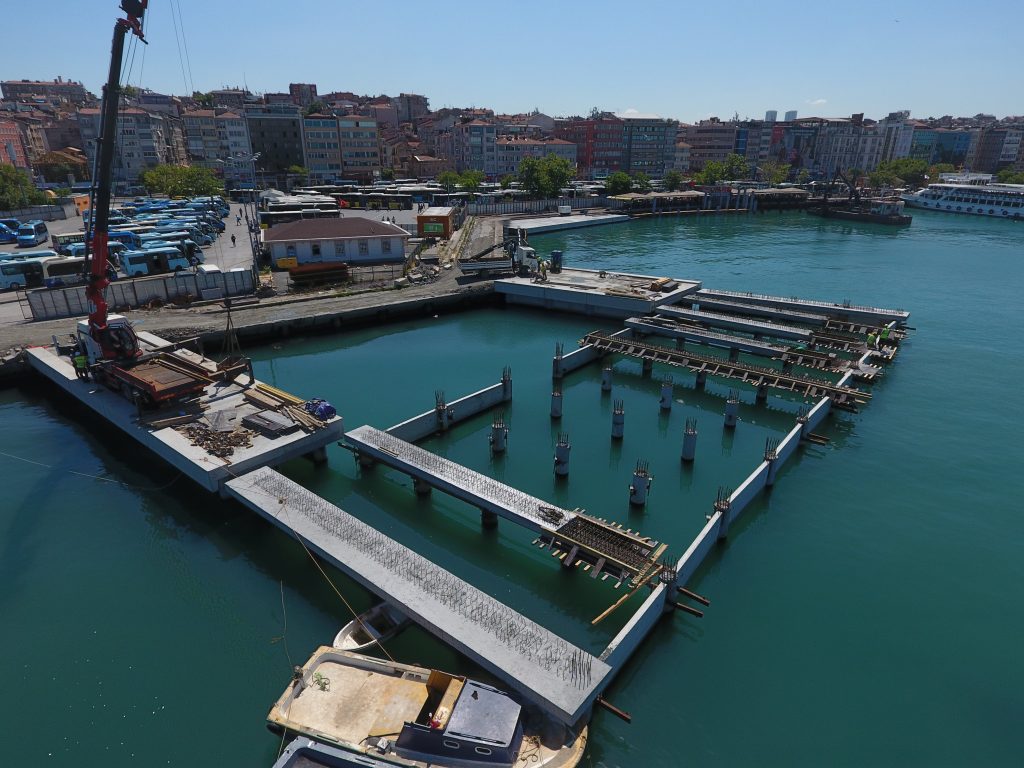
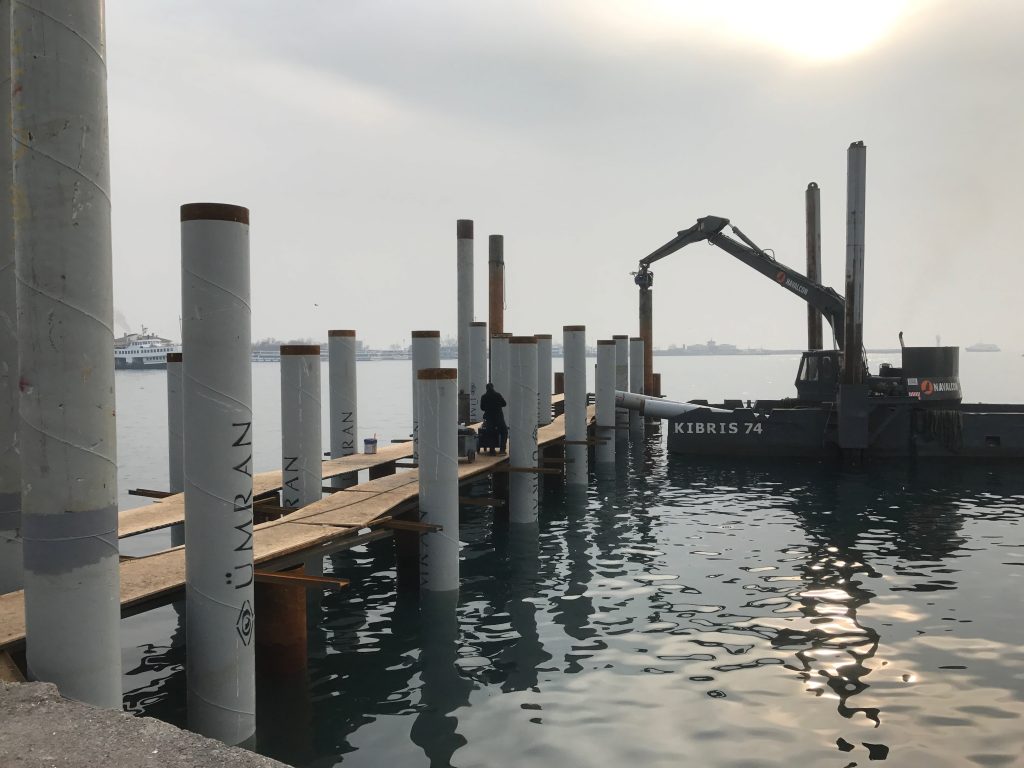
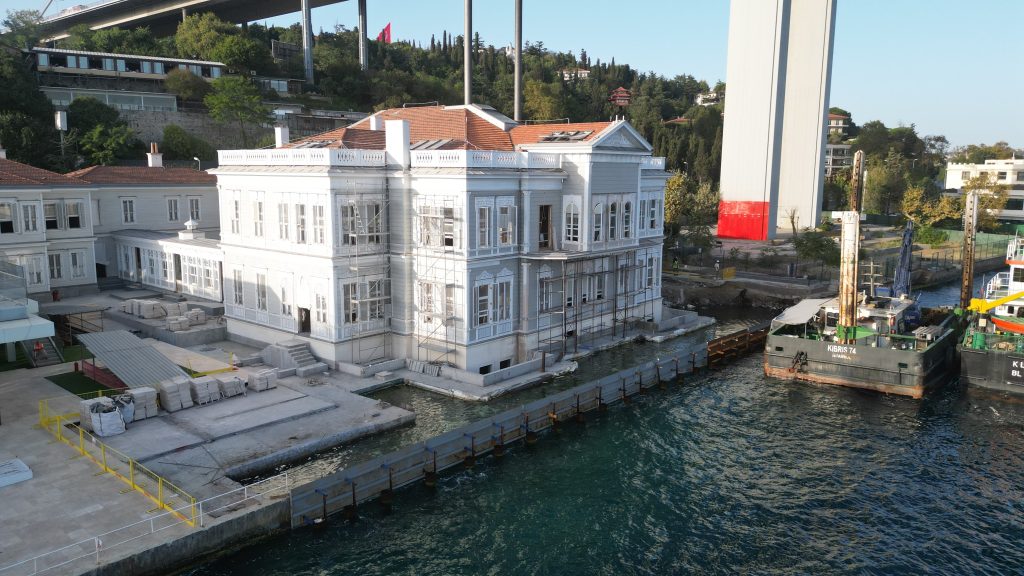
Navalcon sheet pile driving

Advantages

Limitations

How it is applied

Building a sheet pile wall

A sheet pile wall is built step by step, interlock by interlock, until the perimeter is complete.

01

Set out the profiles

A row of steel sheet pile profiles is arranged and the interlocks are engaged.

02

Drive to depth

Each pile is driven — or vibrated — individually to the required depth.

03

Interlock the next pile

The next pile is driven with its interlock engaged in the previous one.

04

Complete the perimeter

Steps 2 and 3 are repeated until the wall perimeter is closed; connectors are used for more complex profiles.

Application stages

From site inspection to extraction

01

Site inspection

The area is inspected in advance: access for the driving rig, existing soil investigation reports or, if none exist, a surface assessment of the soil type.

02

Driving equipment

Preliminary calculations based on excavation depth and soil type set the profile size; suitable equipment — excavator-mounted or free-hanging vibro hammers, or diesel hammers — is then selected.

03

Application

Profiles are driven in sequence under continuous control of alignment and depth.

04

Cutting and splicing

Where needed, piles are cut to level or extended by welding to reach the design length.

05

Extraction and re-driving

In temporary works the profiles are extracted with vibratory drivers after use and taken away to be reused.

06

Handover

The completed wall is checked against the design and handed over for the next phase of work.

Related services

Explore our other services

Deepening and levelling the seabed for ports, shipyards, outfall lines and capacity expansion projects.

Solid, fast and economical foundations on loose ground, driven with hydraulic hammers on land and at sea.

Quays, piers and shoreline works delivered with sheet piles, piles and shoring on difficult ground.

Planning a marine or coastal project?

Tell us about your site and scope. Our team will get back to you with the right method, equipment and a clear quotation.